
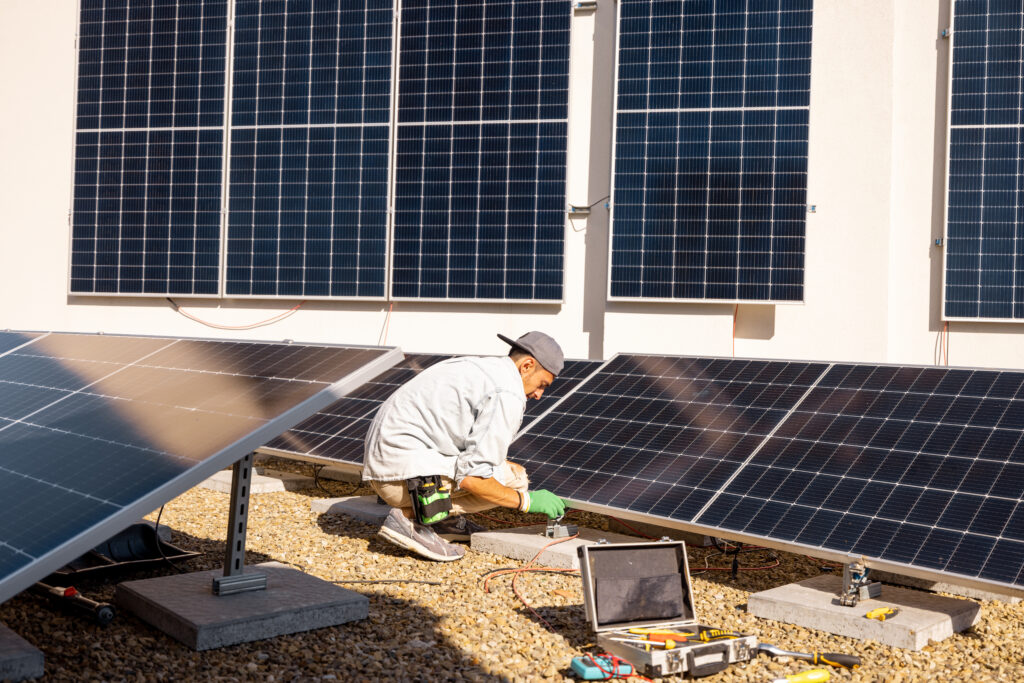
While solar panels generate electricity during daylight hours, energy demand often extends beyond sunlight availability. This gap has made solar energy storage systems a critical component in modern photovoltaic projects.
A solar energy storage system typically consists of lithium batteries, a battery management system (BMS), an inverter, and an energy management system (EMS). Together, these components store excess solar energy and release it when needed, ensuring continuous and stable power supply.
One of the key benefits of solar storage systems is improved energy reliability. In regions with unstable grids or frequent power outages, stored energy can serve as a backup power source, protecting critical equipment and operations. For commercial and industrial users, this reliability can prevent costly downtime and production losses.
Energy storage also enables smarter energy usage. By storing electricity during low-demand periods and discharging it during peak hours, users can reduce peak demand charges and optimize electricity costs. This function, often referred to as peak shaving and load shifting, is particularly valuable for factories, hotels, and large commercial facilities.
Safety and system integration are essential considerations in storage projects. High-quality lithium batteries, combined with advanced BMS and protection mechanisms, help ensure safe operation under various environmental and electrical conditions. Proper system design also ensures compatibility with inverters, solar panels, and local grid standards.
As energy policies and electricity pricing structures evolve, solar energy storage systems are becoming a strategic investment rather than an optional upgrade. By integrating storage into PV projects, users gain greater control over energy consumption, improve resilience, and move closer to long-term energy independence.