
Solar energy systems convert sunlight into usable electricity through photovoltaic (PV) technology. As global demand for clean and reliable power grows, solar systems have become a core solution for residential, commercial, and industrial energy needs.
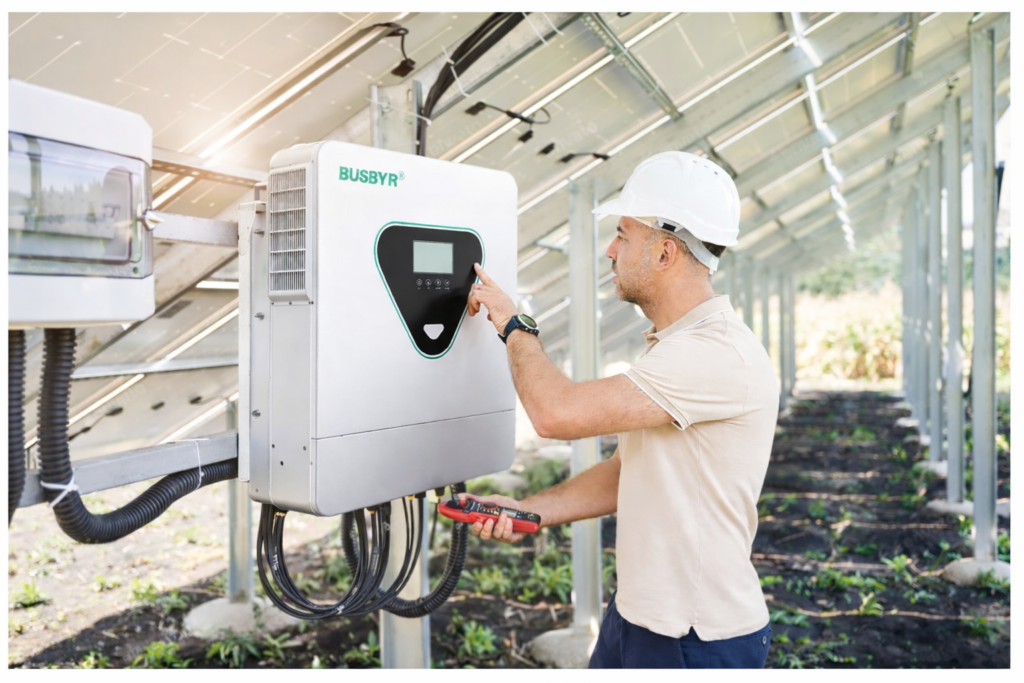
At the heart of a solar energy system are photovoltaic panels, which generate direct current (DC) electricity when exposed to sunlight. This DC power is then converted into alternating current (AC) by a solar inverter, making it suitable for standard electrical equipment and grid connection.
Depending on the application, solar systems can operate in different configurations.
Grid-connected systems feed electricity directly into the local power grid, allowing users to reduce energy bills through self-consumption. Off-grid systems operate independently, relying on batteries to store energy for use when sunlight is unavailable. Hybrid systems combine both approaches, enabling grid interaction while providing backup power during outages.
Energy storage plays an increasingly important role in modern solar systems. By integrating lithium battery storage, users can store excess solar power generated during the day and use it at night or during peak demand periods. This improves energy independence, enhances grid stability, and reduces reliance on traditional power sources.
In practical applications, solar energy systems are widely used across residential rooftops, commercial buildings, factories, warehouses, and remote locations. With proper system design, reliable components, and professional installation, solar systems can operate efficiently for over 20 years with minimal maintenance.
As technology continues to advance, solar energy systems are evolving from simple power generators into intelligent energy management platforms that support long-term sustainability and cost control.